


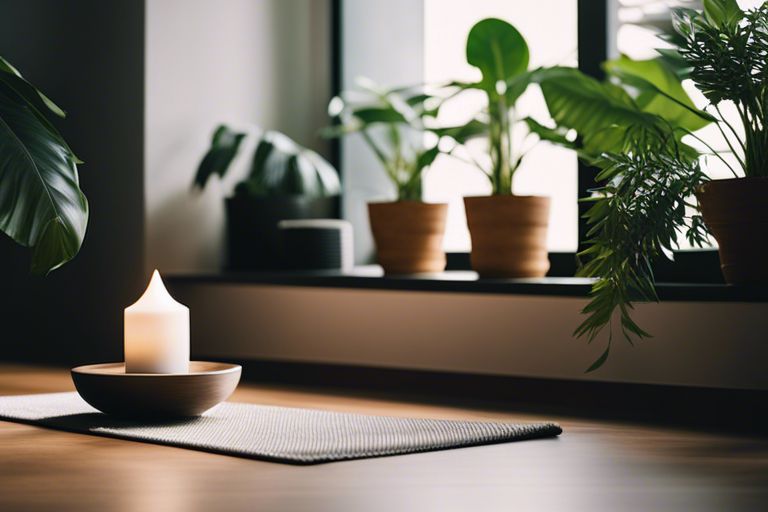
Overwhelmed by the hustle and bustle of daily life, finding the perfect space for your yoga meditation practice can be challenging. Creating a calm and serene environment is crucial for deepening your practice. Consider natural light, minimal distractions, and comfortable seating to enhance your meditation experience. Whether it’s a dedicated room in your home, a quiet corner in a park, or a peaceful studio, finding the optimal space will help you focus and connect with your inner self.
Key Takeaways:
- Quietness is key: Look for a space that is quiet and free from distractions to enhance your yoga meditation practice.
- Natural light and ventilation: Find a space with ample natural light and good airflow to create a relaxing and rejuvenating environment.
- Adequate space: Choose a location that provides enough room for movement and allows you to stretch out comfortably during your practice.
- Clean and clutter-free: Opt for a clean and clutter-free area to promote a sense of peace and tranquility while meditating.
- Personalization: Make the space your own by adding personal touches like candles, cushions, or incense to enhance your meditation experience.
1. Choose a quiet room or outdoor area with minimal distractions.
2. Ensure the space is clean and clutter-free for optimal focus.
3. Incorporate natural elements like plants or sunlight for serenity.
4. Use supportive props like a yoga mat, cushions, or blankets.
5. Consider the atmosphere and energy of the space for relaxation.
6. Experiment with different locations to find your ideal meditation spot.
Understanding Your Needs
Identifying Your Yoga Style
To start your search for the perfect yoga meditation space, you first need to understand what type of yoga practice you prefer. Whether you enjoy the intensity of power yoga, the relaxation of gentle yoga, or the spirituality of Kundalini yoga, your chosen style will guide you in creating a harmonious environment for your practice. Consider the movements, breathing techniques, and meditation practices involved in your chosen style to determine the ideal setting for your needs.
Determining Your Space Requirements
Requirements plays a crucial role in finding the perfect space for your yoga meditation practice. Think about the amount of space you need to move freely and comfortably during your practice. Consider if you require special equipment like yoga props or a meditation cushion. Keep in mind the atmosphere you want to create – whether you prefer a bright and airy space or a cozy and dimly lit room for your meditation sessions.
It is important to choose a space that aligns with your specific needs and preferences to enhance the quality of your yoga meditation practice. By carefully considering these requirements, you can create a space that supports your physical, mental, and spiritual well-being during each session.
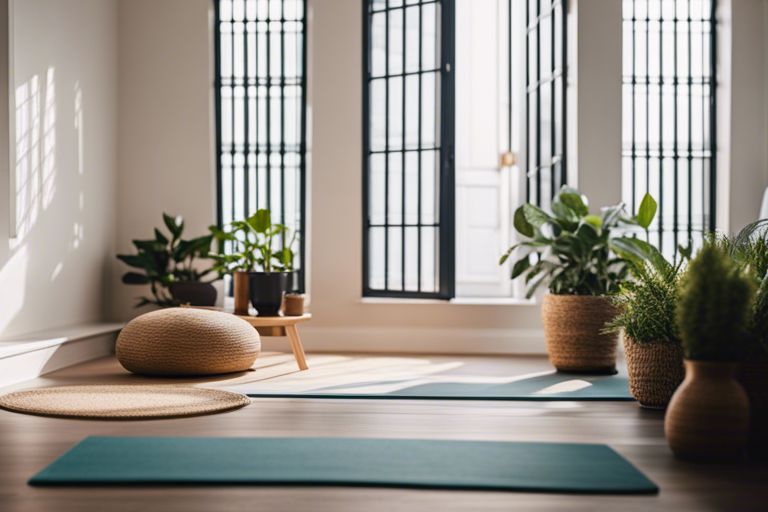
Types of Spaces for Yoga Meditation
It is important to find the right space for your yoga meditation practice as it can greatly impact your experience and overall well-being. Here are some different types of spaces you can consider for your practice:
| Home Studios | Shared Studios |
| Outdoor Spaces | Community Centers |
Home Studios
There’s something special about having your own home studio where you can create a tranquil and personalized space for your yoga meditation practice. You can decorate the space with inspiring elements such as candles, crystals, or plants to enhance the calm and serene atmosphere.
Additionally, having a home studio allows you the flexibility to practice at any time that suits you best, without any time constraints or disturbances from others.
Shared Studios
Some people prefer practicing yoga meditation in a shared studio setting where they can connect with like-minded individuals and benefit from the energy of a group practice. Shared studios often offer a variety of classes and workshops to enhance your practice and expand your knowledge of yoga meditation.
It is important to find the right space for your yoga meditation practice as it can greatly impact your experience and overall well-being. Here are some different types of spaces you can consider for your practice:
Outdoor Spaces
Clearly, practicing yoga meditation in outdoor spaces such as parks, beaches, or gardens can provide a unique and enriching experience. The fresh air, sunshine, and nature surrounding you can help elevate your mood and deepen your connection with the universe.
Spaces like these allow you to feel more grounded and in tune with your inner self, making it a refreshing and invigorating environment for your practice.
Community Centers
If you do not have access to a home studio or a shared studio, community centers can be a great alternative for your yoga meditation practice. These centers often offer affordable classes and a supportive community where you can connect with others on a spiritual journey.
Factors to Consider
Keep these factors in mind when searching for the perfect space for your yoga meditation practice:
- Lighting and Ventilation
- Noise Levels and Distractions
- Space Size and Layout
- Accessibility and Parking
Lighting and Ventilation
Clearly, good lighting and ventilation are vital for creating a peaceful and comfortable environment for your yoga and meditation practice. Natural light can help improve your mood and energy levels, while proper ventilation ensures fresh air circulation. Any distractions from harsh lighting or poor airflow can disrupt your focus and hinder your practice.
Noise Levels and Distractions
The level of noise in your meditation space can greatly impact your ability to concentrate and relax. The presence of distractions such as loud noises or interruptions can disrupt your flow and prevent you from fully immersing yourself in your practice. Understanding how to minimize noise levels and eliminate distractions is crucial for creating a tranquil environment for meditation and yoga.
Space Size and Layout
Any clutter or constraints in your practice area can restrict your movements and limit the effectiveness of your yoga and meditation sessions. This can lead to frustration and discomfort, making it harder for you to focus on your practice. This is why it’s important to choose a space with enough room to move freely and comfortably during your sessions.
Accessibility and Parking
This includes factors such as the location of the space, ease of access, and availability of parking. You want to choose a location that is convenient for you to reach and has ample parking for you and any guests. Size up the accessibility and parking options when selecting a space for your yoga meditation practice.
Tips for Finding the Perfect Space
For finding the perfect space for your yoga meditation practice, there are a few key tips to keep in mind. First, consider a space that is quiet and free from distractions. This will help you focus and connect more deeply with your practice. Next, look for a space that has good natural light and ventilation to create a sense of openness and tranquility. Additionally, consider the size of the space – it should be large enough for you to move freely during your practice. Lastly, choose a space that resonates with you on a personal level, whether it’s a corner of your living room or a quiet spot in nature.
After considering these tips, you may want to explore more ideas on creating the perfect yoga space in your home. Check out this How to Create a Peaceful Yoga Corner in Your Home guide for inspiration and practical tips.
Step-by-Step Guide to Visiting Potential Spaces
While searching for the ideal space for your yoga meditation practice, it’s imperative to visit potential locations to get a feel for each one. Here is a step-by-step guide to help you evaluate each space:
| Step | Description |
| 1 | Visit each space at different times of the day to assess natural light and noise levels. |
| 2 | Measure the dimensions of each space to ensure it fits your practice needs. |
| 3 | Pay attention to the ambiance and how you feel in each space to gauge its suitability for meditation. |
Pros and Cons of Each Space Type
Perfect your search for the ideal meditation and yoga space by weighing the pros and cons of each space type. Here is a breakdown to help you make an informed decision:
| Pros | Cons |
| Quiet environment | Restricted space for movement |
| Natural light | Poor ventilation |
| Tranquil surroundings | Noisy neighbors |
After considering the pros and cons of each space type, you can make a more informed choice that aligns with your meditation and yoga practice needs.
Red Flags to Watch Out for
Spaces where you plan to practice yoga and meditation should promote your safety and serenity. Be cautious of red flags that may disrupt your practice:
Each space should be free from distracting noises, excessive clutter, and poor ventilation to ensure a peaceful and focused practice. By being mindful of these red flags, you can create a harmonious environment that enhances your meditation and yoga experience.
Summing up
Taking this into account, when looking for the perfect space for your yoga and meditation practices, it is important to consider factors such as location, ambiance, cleanliness, noise level, and personal comfort. Think about what environment helps you feel most calm and focused, and prioritize finding a space that aligns with those preferences. Whether it’s a dedicated room in your home, a peaceful corner in a park, or a tranquil studio, creating a space that nurtures your practice will enhance your overall experience.
FAQ
Q: What factors should I consider when looking for the perfect space for yoga meditation practice?
A: When looking for the perfect space for yoga meditation practice, consider factors such as size, lighting, noise level, cleanliness, ambiance, and accessibility.
Q: How can I create a peaceful ambiance in my yoga meditation space?
A: To create a peaceful ambiance in your yoga meditation space, you can use elements such as calming colors, candles, incense, soft music, comfortable cushions or mats, and natural decor elements like plants.
Q: Can I practice yoga meditation outdoors, and what should I keep in mind?
A: Yes, you can practice yoga meditation outdoors. When doing so, make sure to choose a quiet and serene location, protect yourself from the elements, bring a mat or cushion for comfort, and be mindful of your surroundings to deepen your connection with nature.